Marriage in the 21st Century: Outdated Tradition or Powerful Partnership?
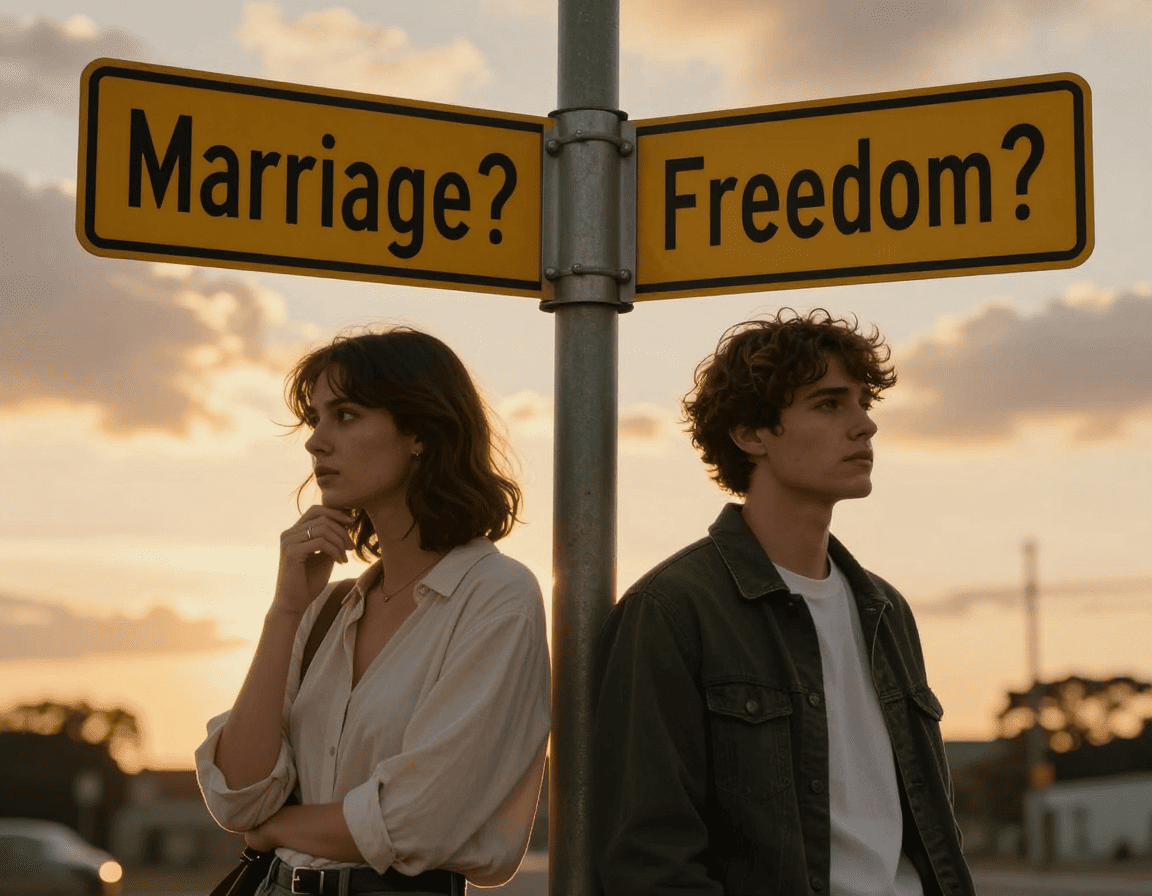
What’s the Point of Marriage in the 21st Century?
For thousands of years, marriage has been one of the most important institutions in human society. It shaped families, determined inheritance, created alliances between communities, and defined how people built their lives together.
But today, something has clearly changed.
More people are asking a question that would have seemed strange just a few generations ago:
What’s the point of marriage in the 21st century?
In a world where people can live together without legal ties, have children outside of marriage, maintain financial independence, and even build families across continents, the traditional purpose of marriage is being reconsidered.
Yet despite all this change, millions of people still choose to get married every year.
So why does marriage still exist — and does it actually serve a purpose today?
Let’s take a deeper look.
Marriage Used to Be About Survival
Historically, marriage had very little to do with romance.
For most of human history, marriage was primarily an economic and social contract.
Families arranged marriages to:
• combine land and property
• secure political alliances
• guarantee legitimate heirs
• stabilize communities
In agricultural societies especially, marriage was essentially a survival strategy. Two families working together had a better chance of thriving than individuals on their own.
Love sometimes grew later — but it wasn’t the main reason people married.
In fact, the idea of marrying for love is relatively modern, becoming popular mainly in the 18th and 19th centuries.
The Modern Shift: Individual Freedom
Fast forward to the 21st century.
Today, many of the old practical reasons for marriage have weakened.
Women have financial independence.
People can live together without social stigma.
Single parenthood is increasingly accepted.
Legal systems allow alternative family structures.
Because of this, the average age of marriage has increased dramatically in many countries.
People now prioritize:
• education
• career development
• personal growth
• travel and independence
Marriage is no longer a requirement for adulthood.
It has become a choice rather than a necessity.
So Why Do People Still Get Married?
Despite these social shifts, marriage hasn’t disappeared.
In fact, many people still see value in it — just for different reasons.
1. Emotional Commitment
One of the biggest reasons people still marry is psychological.
Marriage represents a public declaration of commitment.
While couples can be deeply committed without marriage, the ritual of making vows — often in front of family and friends — creates a powerful emotional milestone.
For many couples, marriage says:
"We are building a life together."
That symbolic moment still carries meaning.
2. Legal and Financial Benefits
Marriage also provides practical advantages that cohabitation often does not.
In many countries, married couples receive benefits such as:
• tax advantages
• inheritance rights
• medical decision authority
• immigration sponsorship
• spousal insurance coverage
These legal protections can become especially important during emergencies.
For example, hospitals often prioritize spouses when making medical decisions if someone becomes incapacitated.
In these situations, marriage provides clear legal recognition of partnership.
3. Stability for Families
Research has shown that stable partnerships — whether married or not — can positively impact family life.
However, marriage can sometimes create stronger long-term stability, particularly when raising children.
This doesn’t mean unmarried families are unstable. Many thrive.
But marriage often signals a shared long-term investment, which can reinforce cooperation, planning, and commitment.
For some couples, it creates a framework for building a family.
The Rise of Alternative Relationships
Another reason people question marriage today is the growth of alternative relationship models.
These include:
• long-term cohabitation
• child-free partnerships
• open relationships
• polyamory
• “living apart together” couples
Technology, globalization, and shifting cultural norms have allowed people to explore relationship styles that were once socially unacceptable.
As a result, marriage is no longer the default relationship structure.
It’s one option among many.
Marriage Is Becoming More Personal
Interestingly, the decline of traditional expectations may have actually made marriage more meaningful for some people.
In the past, people often married because society expected it.
Today, people who marry usually do so because they genuinely want to.
Sociologists sometimes call this the “capstone marriage” effect.
Instead of being the beginning of adulthood, marriage now often happens after:
• career establishment
• personal development
• financial stability
For many couples, marriage becomes a celebration of an already strong partnership, rather than a step taken out of necessity.
The Psychology of Long-Term Partnership
Humans are social creatures.
Even in highly individualistic societies, most people still seek deep emotional connections.
Psychologists have found that long-term partnerships can offer important benefits such as:
• emotional support
• companionship
• shared life goals
• resilience during difficult times
Marriage, for many couples, becomes a framework that helps structure these partnerships.
It doesn’t guarantee happiness — but it can reinforce a shared life path.
Marriage in the Digital Age
Modern relationships also face new pressures.
Dating apps have transformed how people meet.
Social media exposes people to countless alternatives.
Work mobility means couples often relocate frequently.
Paradoxically, this environment of constant choice may make committed relationships feel even more valuable.
When two people choose to build a life together despite endless options, that commitment can feel especially meaningful.
Marriage can symbolize that intentional decision.
So… Is Marriage Still Relevant?
The answer depends on perspective.
For some people, marriage feels unnecessary — a legal formality without emotional significance.
For others, it remains a powerful symbol of love, partnership, and shared identity.
In the 21st century, marriage is no longer about survival or social pressure.
Instead, it has evolved into something more flexible:
a voluntary commitment between people who want to build a life together.
And that may actually make it more meaningful than ever.
The Real Question
Perhaps the real question isn’t whether marriage still has a purpose.
Instead, it might be this:
What kind of partnership do people want to create in the modern world?
For some couples, the answer includes marriage.
For others, it doesn’t.
And that freedom of choice may be one of the biggest changes of all.
SHARE THIS ARTICLE
If this article made you think differently about relationships, share it with someone who would enjoy this conversation.
Share idea #1:
Send this article to a friend who loves debating modern relationships.
Share idea #2:
Post it on social media and ask: Is marriage still relevant today?
Share idea #3:
Share it with your partner and start an interesting discussion tonight.